The Challenge
Microsoft’s commercial customers managed software, licenses, and users across four disconnected portals. Each system had been built to solve a specific problem, but none were designed to work together cohesively.
During discovery, our team catalogued 125 distinct tasks across those portals. The result was fragmented and painful experiences. Customers struggled to understand what they owned, how licensing agreements applied, or where to manage users. Many relied on manual spreadsheets to track entitlements.
The complexity was eroding clarity and trust.
Discovery & Alignment
I led a one-month discovery effort with a team of agency designers and researchers to define the problem space and secure executive alignment. During this time we:
• Audited and graded 125 tasks across four systems
• Conducted research sessions with IT managers
• Mapped representative tasks into simplified flows to make system fragmentation visible
• Conducted research sessions with IT managers
• Mapped representative tasks into simplified flows to make system fragmentation visible
By visualizing complexity clearly, we helped stakeholders see the cost of disjointed experiences. This work secured Vice President approval and launched a multi-year initiative to modernize the commercial licensing ecosystem.
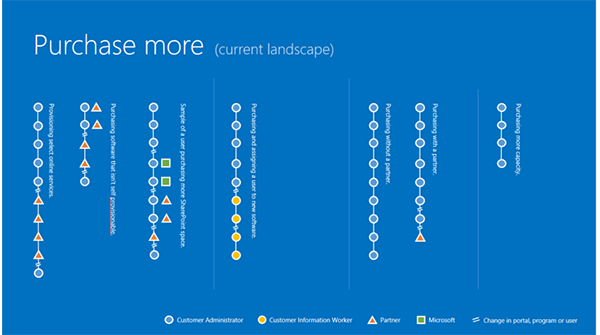
A sample of some of the tasks, different shapes represent different personas that would need to be involved.
Designing for Systems, Not Screens
As we moved into the wireframe phase, I recommended adopting an Object-Oriented UX framework. It provided us with a unique way to see the underlying system.
We identified the core objects in the system, such as users, licenses, and subscriptions, and mapped their relationships, supported actions, and associated data. This approach:
• Clarified MVP scope
• Aligned UX decisions with underlying data models
• Created a scalable information architecture
• Enabled more productive scope negotiations with stakeholders
• Aligned UX decisions with underlying data models
• Created a scalable information architecture
• Enabled more productive scope negotiations with stakeholders
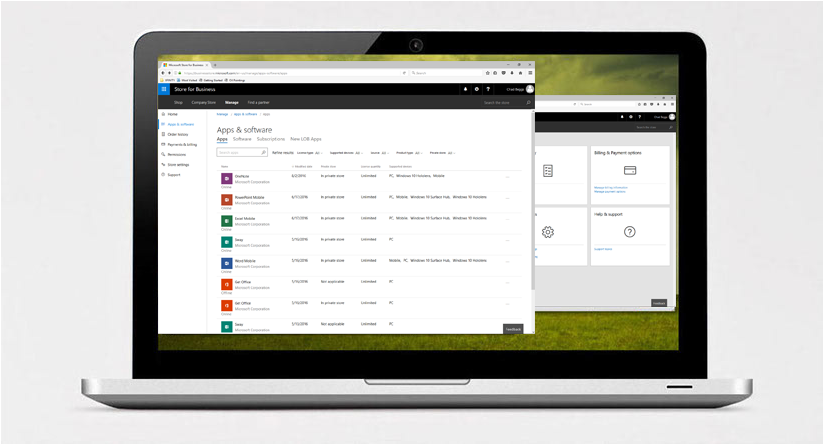
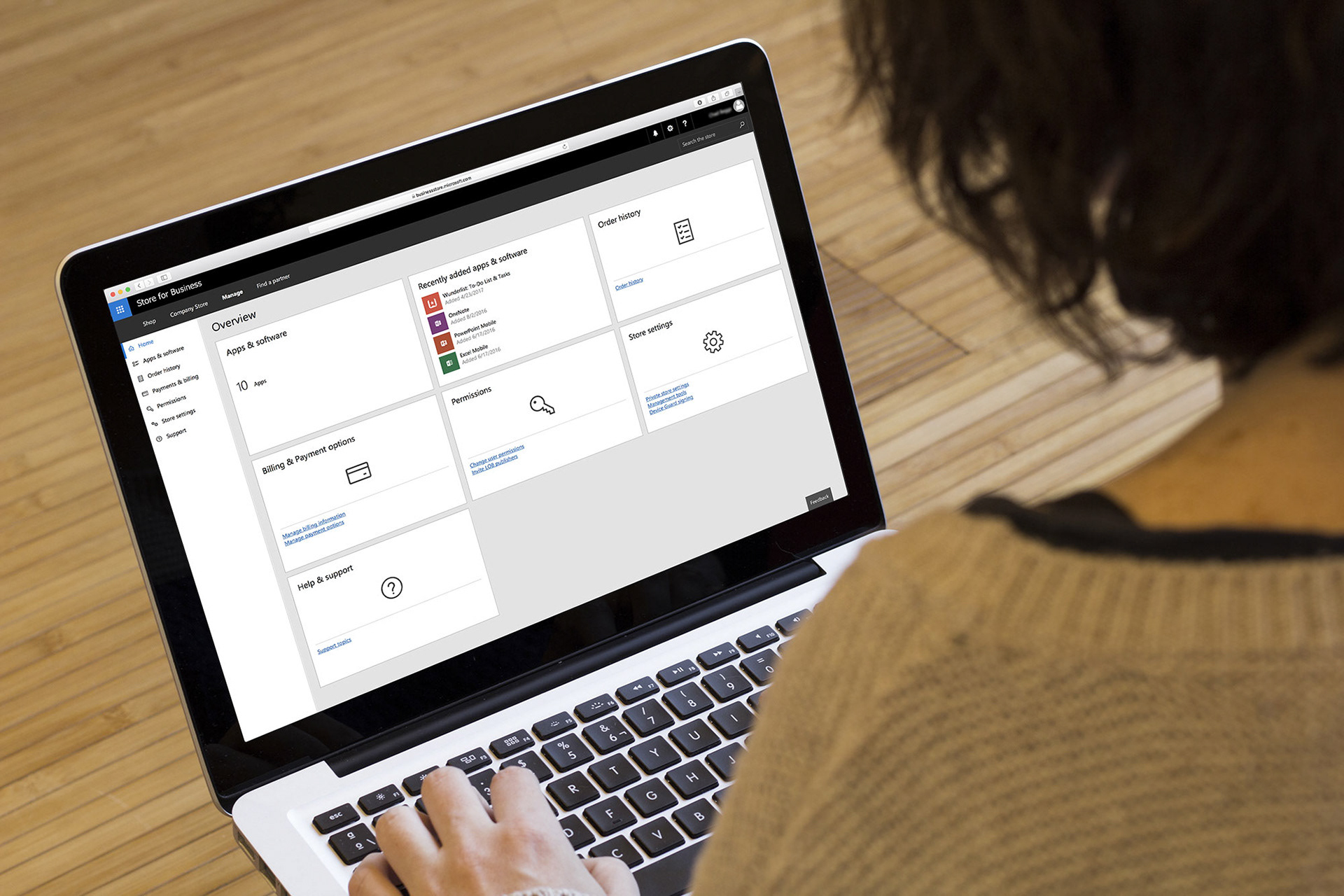
This thinking reframed the Windows Store for Business from a transactional interface into a long-term management platform.
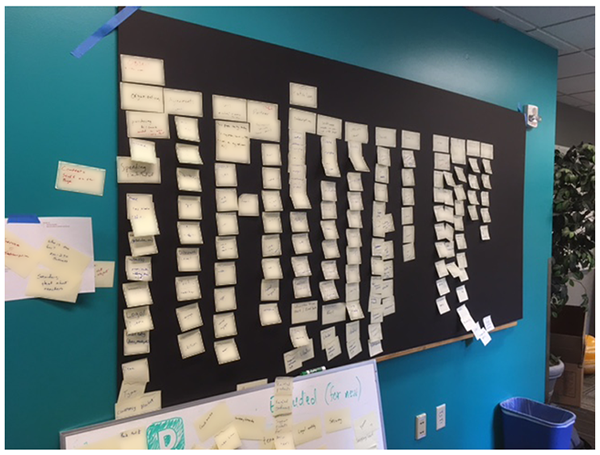
A sample of the "objects" that would need to be accounted for.
Design & Roadmap
Following executive approval, I partnered closely with Microsoft’s internal design leadership to develop a multi-year UX roadmap that guided phased delivery. We defined responsive design principles, established scalable wireframes and reusable components, and created a flexible card-based system that could adapt across desktop and mobile. Instead of navigating disconnected portals, customers could now clearly see what they owned, who had access, and how to take action.