The Challenge
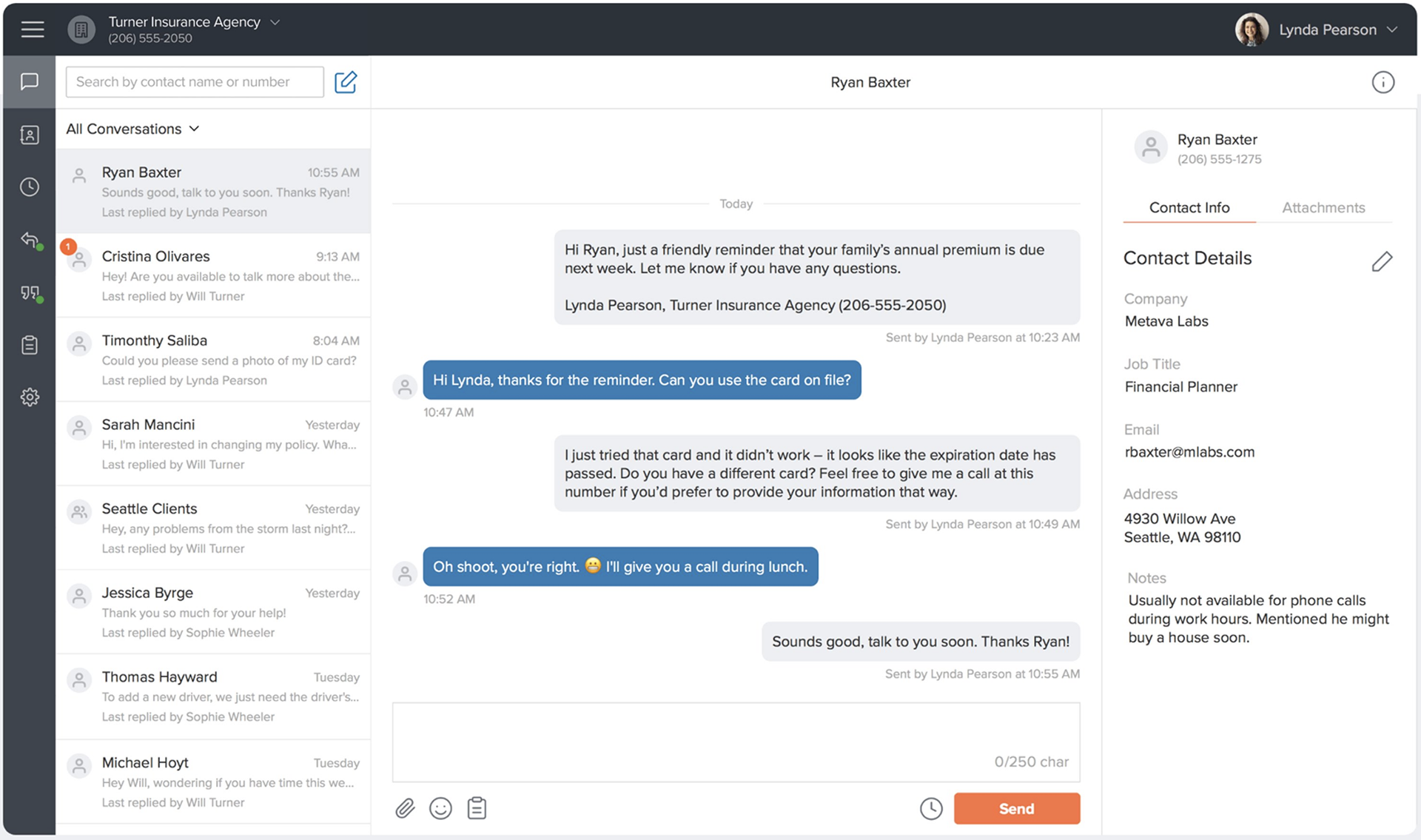
Zipwhip’s 1.0 software had reached the end of its lifecycle. Core messaging actions were scattered and often hidden, technical debt made updates difficult, and the product risked falling behind competitors. The challenge was to rebuild the product so it was faster, more intuitive, and capable of supporting future innovation while minimizing risk to existing users.
Discovery & Strategy
I joined the project during early 2.0 design work. I focused on redesigning features that directly shaped the core messaging experience, including the To: Box, Contact Details Panel, Templates, and Automated Messaging. Recognizing that launch was only the beginning, I proposed and led a usability study to validate these features and inform prioritization for post-launch iteration.
Iteration & Execution
One of the major enhancements was the introduction of templated messages with Dynamic Fields. Customers previously had to copy and paste repetitive messages manually, a process that was time-consuming and error-prone. By combining templates with personalized dynamic fields, I reduced mental overhead, minimize errors, and surface the most relevant actions at the point of use. We designed interactions to protect users from sending incomplete messages while keeping edits intuitive and accessible. Each decision balanced user efficiency and error prevention.
Impact
Zipwhip 2.0 launched successfully, immediately improving usability and saving customers hours per week on repetitive tasks. The updates increased customer satisfaction by 25%, reduced churn, and created a scalable foundation for future feature development.